



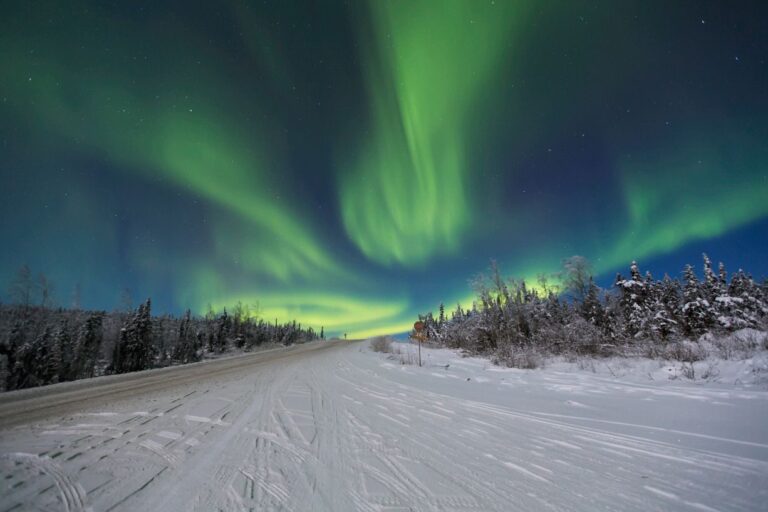
Experiencing the Arctic Circle in Scandinavia is one of those rare journeys that stays with you for a lifetime: the infinite winter light, the mystical Northern Lights, and the serene landscapes that seem almost unreal. But to truly enjoy this remote and beautiful part of the world, timing matters more than almost anywhere else. In this guide of The Touring Team, we’ll walk you through the best time to visit the Arctic Circle, what kind of weather to expect, how daylight hours shift through the year, and how the Lapland winter climate shapes the experience especially for travellers coming from India.
The Arctic Circle is a stunning destination, but it’s not your typical summer holiday spot. Above the Arctic Circle, the arctic circle weather varies dramatically through the year from continuous daylight in summer to long polar nights in winter. Each season offers unique experiences, so knowing when to go will help you plan the trip that fits your interests and comfort level.
Whether you are chasing the Northern Lights, dreaming of hushed snowy forests, or want to explore the rich Sami culture under moonlit skies, the season you choose defines your Arctic adventure.
For most Indian travellers, when people say “Arctic,” this is what comes to mind snow blanketed forests, hushed silence, and the magical auroras dancing across the sky.
During December and January, the region experiences the famous polar night a time when the sun barely rises above the horizon. This means:
The advantage? This is prime time for aurora viewing. The long nights and crisp air offer some of the best chances to see the Northern Lights.
Winter suits travellers who:
For Indians, this season feels otherworldly a contrast to our tropical and sub-continental climates and is often described as “a surreal travel experience unlike any other.”
If polar night sounds daunting, summer in the Arctic presents a gentler yet magical side of the region.
Arctic Daylight Hours
From mid-May through July, the Arctic Circle enjoys the Midnight Sun where the sun stays above the horizon for 24 hours. This gives you:
This period is perfect if you’re looking for:
Traveling in the summer also means far easier mobility, especially if your plan involves driving through scenic routes or exploring off-the-beaten-path locations.
The months between the harsh winter and mild summer often called shoulder seasons are underrated and can offer great travel value.
Both seasons bring changeable weather, and planning for this transition is key. If you’re adventurous and don’t mind variability, these months can provide a unique Arctic experience without the peak tourist crowds.
Winter in Scandinavia is magical but it’s also cold. Understanding basic tips helps you enjoy more and worry less.
If you’re considering a guided overland journey, an expert-led format ensures comfort and safety while letting you soak up the experiences fully. Know more about our Scandinavia Arctic Circle Overland Expedition and Book today
For most Indian travellers looking for a once-in-a-lifetime journey, December to February remains the best time to visit the Arctic Circle especially if you want to balance dramatic landscapes with unforgettable experiences.
A Road Trip So Grand, It Spans a Continent
Copyright © 2025 The Touring Team. All rights reserved.